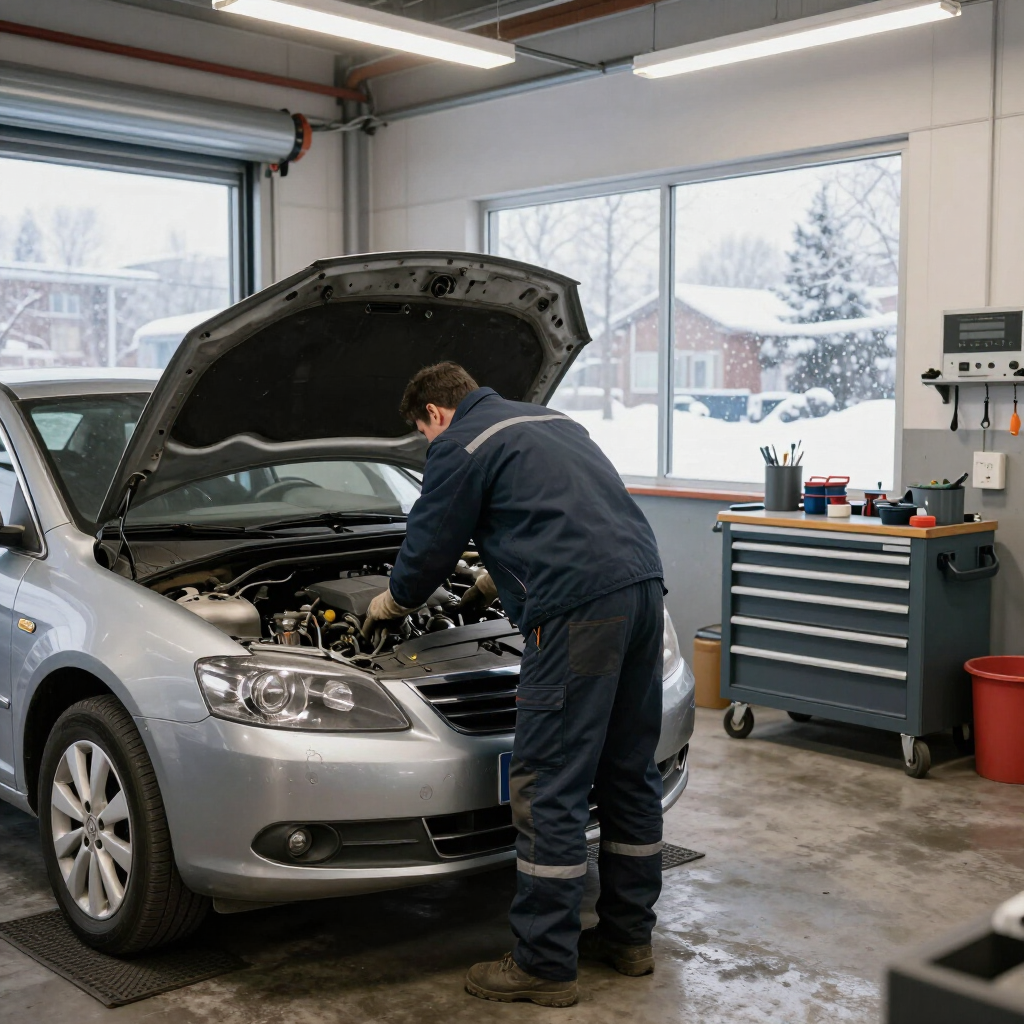
Winter in Lancaster, Pennsylvania, can bring freezing temperatures, snow, ice, and unpredictable road conditions. While the fall season may still offer comfortable afternoons, colder mornings are a reminder that winter weather isn't far away. Before temperatures drop and the first snowflakes arrive, it's important to make sure your vehicle is ready for the challenges ahead. At Mike's Motor Zone Service in Lancaster, PA , we know that proper winter vehicle preparation can make a big difference in your vehicle's reliability, performance, and safety. From testing your battery to checking your tires and heating system, taking care of essential maintenance in the fall can help you avoid inconvenient breakdowns when winter arrives. Whether you're commuting through Lancaster, traveling along Route 30, or heading out on Pennsylvania's rural roads, these cold weather car care tips will help you prepare for the season ahead. 1. Test Your Battery Before Freezing Temperatures Arrive One of the most common cold-weather vehicle problems is a weak or failing battery. Cold temperatures reduce a battery's ability to deliver power, while your engine may require more energy to start. A battery that worked fine during the summer and early fall could struggle when temperatures dip below freezing. Signs your battery may need attention include: Slow engine cranking when starting your vehicle Clicking sounds when turning the key or pressing the start button Dim headlights or interior lights Corrosion around battery terminals Frequent jump-starts or difficulty starting If your battery is several years old or showing signs of weakness, scheduling a professional battery test before winter is a smart move. At Mike's Motor Zone Service, battery and charging system inspections can help identify potential problems before you're left stranded on a freezing morning. 2. Check Your Antifreeze and Cooling System Your vehicle's cooling system isn't just important during the summer. It also plays a critical role in protecting your engine when winter temperatures fall. Antifreeze, also called engine coolant, helps prevent freezing while maintaining proper engine operating temperatures. If your coolant is low, contaminated, or improperly mixed, your vehicle may be more vulnerable to cooling system problems. Important cooling system components to inspect include: Coolant Level: Make sure the coolant is at the proper level according to manufacturer recommendations. Coolant Condition: Old or contaminated coolant may not provide adequate protection. Hoses and Connections: Inspect for cracks, leaks, or deterioration. Radiator and Water Pump: Check for signs of leaks or other performance concerns. Thermostat: A properly functioning thermostat helps regulate engine temperature. A professional cooling system inspection can help ensure your vehicle has the proper freeze protection for Pennsylvania's winter conditions. Never remove the radiator cap while the engine is hot. If you're unsure about your coolant's condition, have it checked by a qualified technician. 3. Inspect Your Tires for Snow, Ice, and Wet Roads Tires are one of the most important parts of winter vehicle preparation. They directly affect traction, steering, braking, and overall vehicle control. As temperatures drop, tire pressure naturally decreases. Underinflated tires can affect handling, fuel efficiency, and tire wear. Pennsylvania winters also bring wet pavement, slush, snow, and icy conditions that demand reliable traction. Before winter arrives, make sure to: Check Tire Pressure: Follow the pressure recommendations listed on your vehicle's driver's door jamb label. Inspect Tread Depth: Worn tires have less ability to maintain traction on wet and snowy roads. Look for Uneven Wear: Uneven tread wear may indicate alignment, suspension, or inflation issues. Check for Damage: Inspect tires for cracks, bulges, punctures, and other visible concerns. Consider Winter Tires: If you frequently drive in snow or freezing conditions, winter tires may provide better traction than standard all-season tires. Even vehicles equipped with all-wheel drive or four-wheel drive rely on good tires for effective braking and steering. A professional tire inspection can help you determine whether your current tires are ready for winter driving in Lancaster County. 4. Make Sure Your Heater and Defroster Work Properly A working heater does more than keep you comfortable during Pennsylvania's cold winter months. Your vehicle's heating and defrosting systems are also important for maintaining clear visibility. When temperatures drop, moisture can collect on your windows, creating fog or frost that makes it difficult to see. A malfunctioning heater or defroster can make winter driving both uncomfortable and unsafe. Check for these warning signs: Weak or inconsistent heat from the vents Windows that take too long to defog Little or no airflow from the defroster Unusual smells coming from the ventilation system A blower fan that operates inconsistently Heating problems can sometimes be related to low coolant, thermostat issues, blower motor concerns, or other components. If your heater or defroster isn't performing properly, fall is the ideal time to have it inspected. At Mike's Motor Zone Service, professional heating and defroster diagnostics can help identify issues before the coldest days of winter arrive. 5. Check Your Windshield Wipers, Washer Fluid, and Lights Winter weather can significantly reduce visibility, especially during snowstorms, freezing rain, and dark evening commutes. Maintaining your vehicle's visibility systems is an essential part of cold weather car care. Windshield Wipers Summer heat and everyday use can cause windshield wiper blades to crack, harden, or wear out. If your wipers leave streaks, skip across the glass, or fail to clear water effectively, consider replacing them before winter. Windshield Washer Fluid Use windshield washer fluid rated for freezing temperatures. Standard summer formulas may freeze in the reservoir or washer lines during cold weather. Headlights and Taillights Check that your headlights, brake lights, turn signals, and taillights are functioning properly. Clean dirty or cloudy headlight lenses to help improve visibility. Windshield Condition Inspect your windshield for chips and cracks. Temperature changes and road debris can cause existing damage to spread. Before driving, always clear snow, ice, and frost from your windows, mirrors, headlights, and other areas that affect visibility. Taking a few minutes to inspect these systems can make a meaningful difference when winter weather creates challenging driving conditions. 6. Don't Overlook Your Brakes Snow and ice can make stopping more difficult, which is why properly maintained brakes are especially important during winter. Although even a healthy braking system cannot eliminate the risks of slippery roads, worn brake components can create additional safety concerns. Common warning signs of brake problems include: Squealing or grinding noise Vibrations when applying the brakes A soft or spongy brake pedal Your vehicle pulling to one side while braking Longer-than-normal stopping distances If you notice any of these symptoms, schedule a brake inspection before winter weather arrives. Routine brake maintenance helps support dependable braking performance throughout the year. 7. Prepare an Emergency Kit for Winter Driving Even a well-maintained vehicle can encounter unexpected delays during winter weather. Snowstorms, traffic accidents, and changing road conditions can leave drivers waiting longer than expected for assistance. Keeping a winter emergency kit in your vehicle can help you stay prepared. Consider including: An ice scraper and snow brush Warm blankets, gloves, and extra clothing A flashlight with spare batteries Jumper cables or a portable jump starter A phone charger or portable power bank Bottled water and nonperishable snacks A small shovel A first-aid kit Reflective warning triangles If you regularly travel outside Lancaster or drive through rural Pennsylvania, these supplies can be particularly useful. It's also a good idea to keep your fuel tank adequately filled and check weather forecasts before longer winter trips. Why Winter Car Maintenance Matters in Lancaster, PA Pennsylvania winters can be unpredictable. One day may bring mild temperatures and rain, while the next brings freezing conditions, snow, or icy roads. For Lancaster-area drivers, winter weather can affect everything from engine starting and tire traction to braking performance and visibility. Scheduling preventative maintenance before the coldest weather arrives can help: Reduce Unexpected Breakdowns: Identifying weak batteries, worn components, and developing problems early can help prevent inconvenient failures. Improve Driving Safety: Properly maintained tires, brakes, lights, and defrosters support safer winter travel. Protect Your Vehicle: Regular maintenance helps prevent unnecessary wear and potential damage. Avoid Expensive Repairs: Addressing small issues early may help reduce the risk of larger problems. Improve Peace of Mind: Knowing your vehicle has been inspected helps you feel more prepared for winter driving. Whether you drive a family SUV, pickup truck, daily commuter, or high-mileage vehicle, winter maintenance is an important part of keeping your car dependable. Schedule Your Winter Vehicle Inspection at Mike's Motor Zone Service in Lancaster, PA Don't wait until the first freezing morning or major snowstorm to find out your vehicle isn't ready for winter. October is an excellent time to take care of important maintenance tasks before temperatures drop and repair schedules become busier. At Mike's Motor Zone Service in Lancaster, PA , we're here to help local drivers prepare for changing road conditions with professional automotive maintenance and repair services. From battery testing and cooling system checks to tire inspections and heating system diagnostics, our team can help you identify maintenance needs and keep your vehicle ready for the season. Get ahead of winter weather with a comprehensive vehicle inspection at Mike's Motor Zone Service. Visit www.mikesmotorzoneservice.com to learn more about our services and contact our team to schedule your pre-winter maintenance appointment. Stay warm. Stay prepared. Drive confidently this winter with Mike's Motor Zone Service in Lancaster, PA.
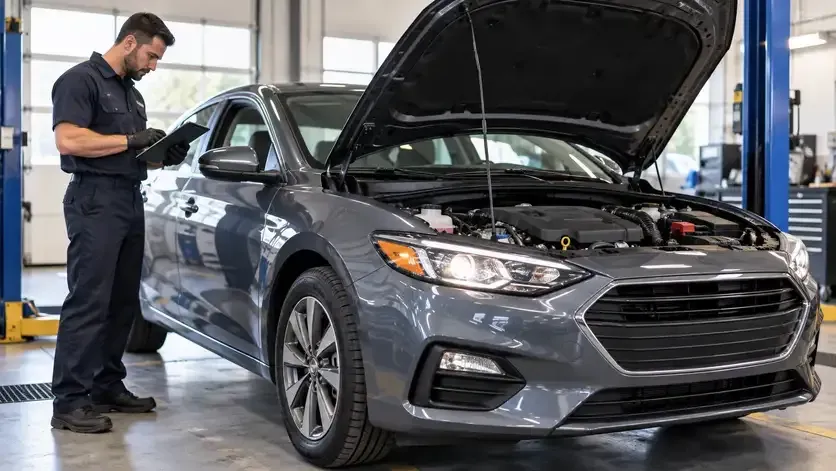
If your Pennsylvania state inspection is coming up, you may be wondering whether your vehicle is ready to pass. Even a car that seems to drive perfectly well can have worn or...
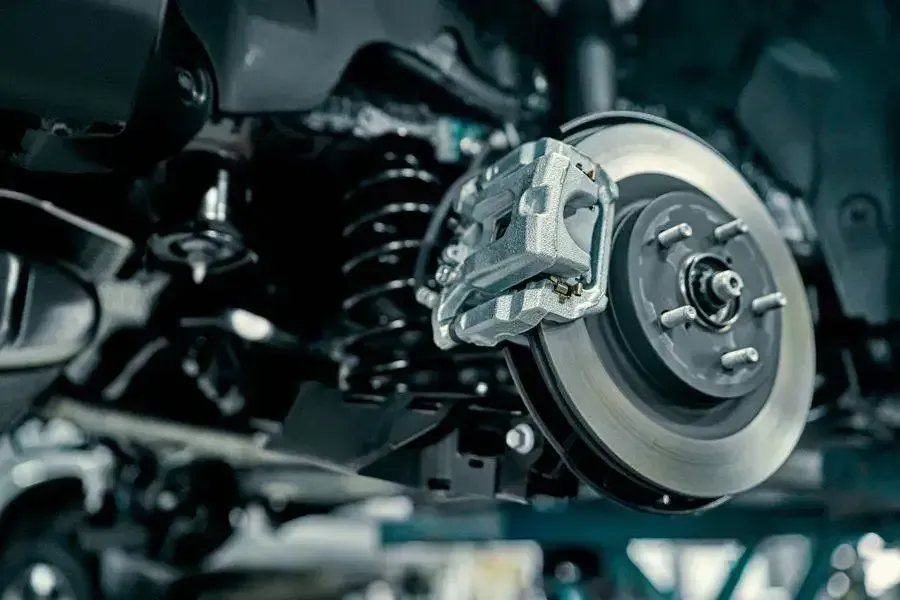
Your brakes are one of the most important safety systems on your vehicle. Whether you're navigating downtown Lancaster, commuting on Route 30, or heading out on country roads...

When most drivers think about weather-related vehicle problems, winter usually gets all the attention. But the truth is that summer heat can be just as tough on your vehicle—if...

A: Yes, there are car warranty scams that try to take advantage of unsuspecting vehicle owners. You may have received calls from scammers that start with automated or pre-recorded...

Boost your vehicle's fuel efficiency with these simple yet effective tips. From regular maintenance checks such as monitoring tire pressure and replacing worn spark plugs to...

A properly maintained vehicle is safer and more dependable and will even save a few dollars at the gas pumps. Motorists should plan ahead to allow time to perform necessary...

Sometimes it's hard to know when your car just needs a break and when it needs a mechanic. If you notice any of the signs detailed below, it's important to have your vehicle...